Guide · 2026-10-14
Silicone vs TPE: Caring for Intimate Products in Oman's Heat
How silicone and TPE differ, and how to clean, dry and store each one in Oman's hot summers, humid coast and Salalah's khareef season.
Two materials, two care routines
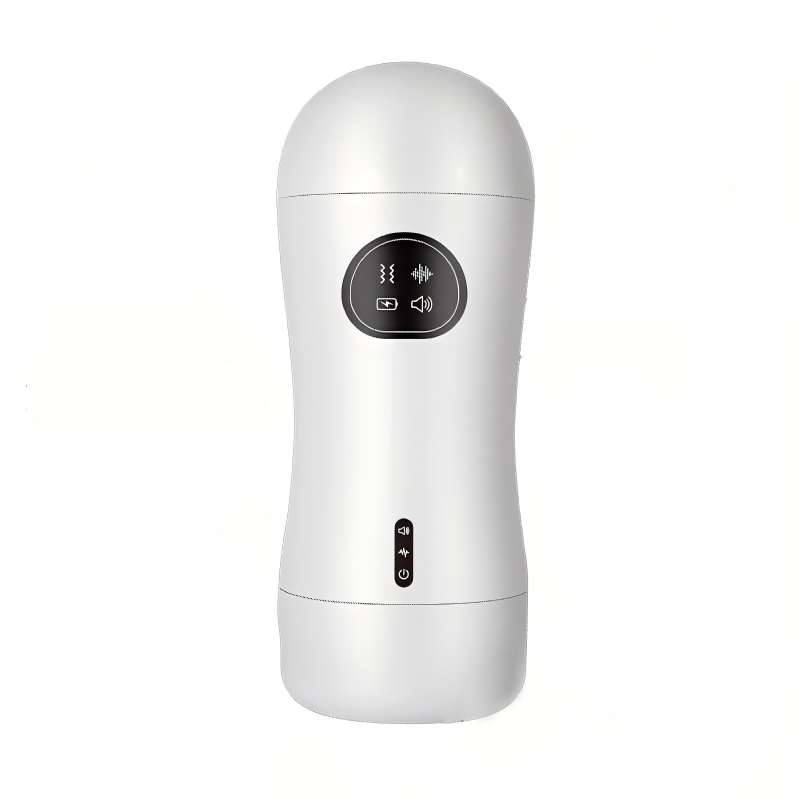
Most personal products sold in Oman are made from either silicone or TPE. Silicone is non-porous: water and soap cannot soak into it, so it is very hygienic and lasts for years. TPE is softer and more lifelike but has a microscopically porous surface, so it absorbs moisture and oils more easily. Knowing which material you own tells you how to look after it.
Cleaning silicone
Wash silicone with warm water and a mild, unscented soap or a dedicated toy cleaner after every use. Rinse well and pat dry with a lint-free cloth. Rechargeable devices should never be submerged unless the product page says they are waterproof; wipe them instead. Use only water-based lubricant, because silicone lubricant can bond with and damage silicone surfaces.
Cleaning TPE
Rinse TPE with warm, not hot, water and a small amount of mild soap. For sleeves and cups, turn them inside out if the design allows, or flush them thoroughly. The most important step is drying: leave the product to air-dry completely, which can take several hours on a humid day. Once dry, a light dusting of cornstarch keeps the surface soft and stops it becoming sticky.
Heat: the biggest risk in Oman
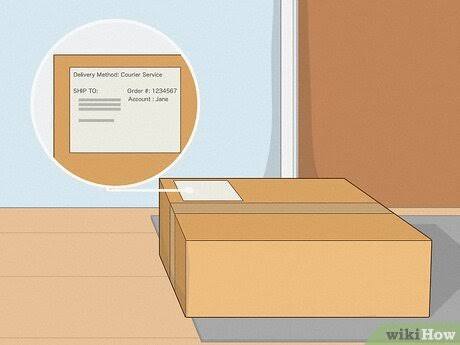
Summer temperatures in Muscat, Nizwa and the interior regularly pass 40°C, and the inside of a parked car can become far hotter. Heat softens TPE, can deform shapes and shortens battery life. Bring parcels indoors as soon as they arrive, store products in a cool cupboard and never leave them in a vehicle or on a sunny windowsill.
Humidity on the coast and during khareef
Along the Batinah coast, in Sur and in Salalah during the khareef months, humidity is the main concern. Always dry products fully before storage and keep them in breathable cotton bags rather than sealed plastic boxes, which trap moisture. Store silicone and TPE separately, because some materials react when they touch for long periods.
When to replace a product
Replace any product that becomes sticky, cracked, discoloured or develops a persistent smell, as these are signs the material has broken down. With good cleaning and cool, dry storage, most quality products last a long time.